
Protect Your Vision with Early Detection & Expert Care
Glaucoma is a leading cause of blindness and occurs when optic nerve damage results from increased eye pressure or other factors. Because early stages often have no symptoms, many people are unaware they have glaucoma until vision loss occurs. At The Eye Institute of Corpus Christi, we specialize in early detection, advanced diagnostics, and customized treatments to help preserve your vision.
What is Glaucoma?
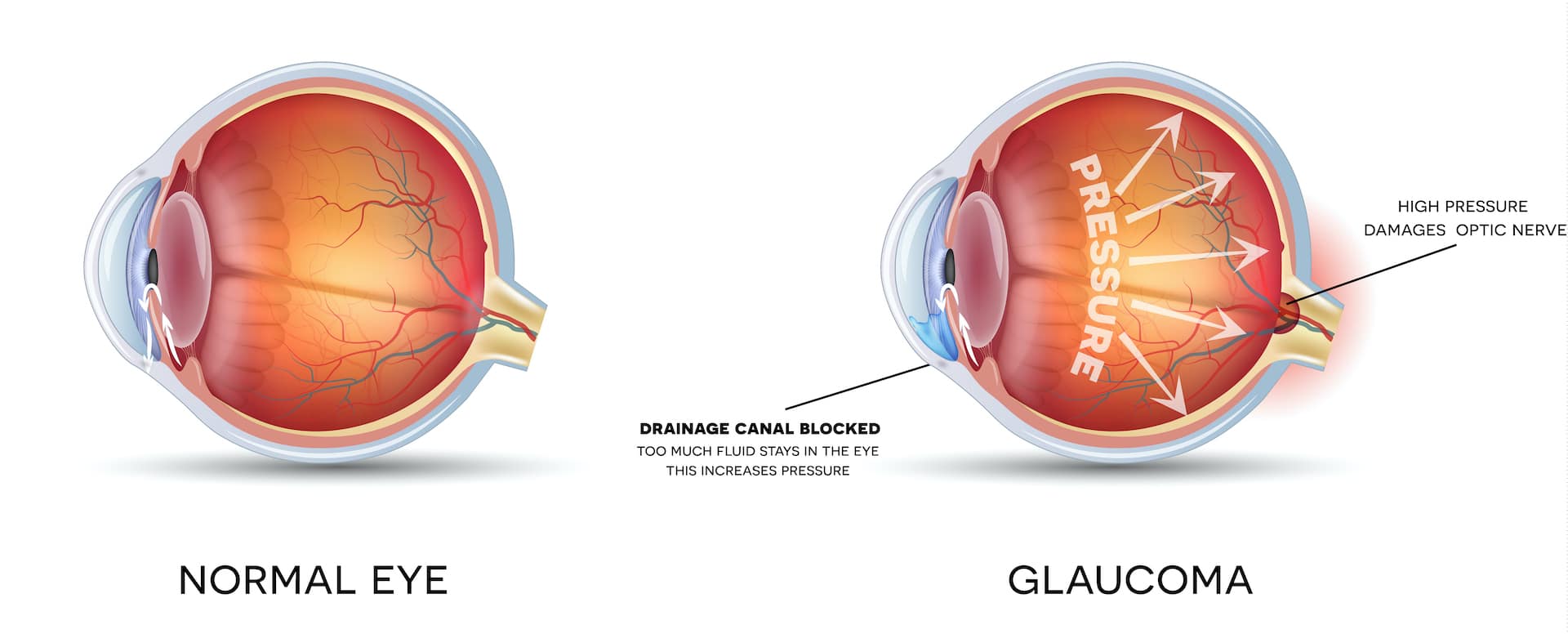
Glaucoma is a group of eye conditions that damage the optic nerve, which is responsible for transmitting visual information from the eye to the brain. The damage is usually caused by increased pressure within the eye, known as intraocular pressure or IOP.
When left untreated, glaucoma can lead to gradual vision loss and eventually blindness. Since glaucoma often has no symptoms or warning signs in the early stages, it is important to have your eyes checked regularly, especially if you have a family history of the condition or other risk factors.
The vision changes caused by glaucoma are irreversible, so it’s essential to start treatment right away if you are diagnosed to prevent the progression of the condition.
How We Diagnose Glaucoma
Routine eye exams are crucial for early detection. Our specialist’s use:
✔ Tonometry – Measures intraocular pressure (IOP).
✔ Optic Nerve Imaging (OCT & SLP) – Tracks changes in the optic nerve over time.
✔ Visual Field Testing – Evaluates peripheral vision loss, a key glaucoma symptom.
Types of Glaucoma
There are several types of glaucoma, such as congenital, normal tension, and narrow-angle glaucoma, but two important types to know are:
Open-Angle Glaucoma
Open-angle glaucoma is the most common form of glaucoma. This type of glaucoma typically develops slowly over time, causing little to no symptoms in the early stages.
It occurs when the drainage channels in the eye become dysfunctional, causing a gradual increase in IOP. Over time, those with open-angle glaucoma will begin to develop peripheral vision damage if the condition is left untreated.
Eventually, open-angle glaucoma can cause central vision loss as well without treatment.
Angle-Closure Glaucoma
Angle-closure glaucoma is not as common as open-angle glaucoma but causes rapid vision damage and many symptoms. This type of glaucoma occurs when the iris blocks the drainage channels in the eye, leading to a sudden increase in IOP.
It is a medical emergency and requires immediate treatment. Angle-closure glaucoma can cause eye pain, headache, blurred vision, and nausea.
Knowing the symptoms of angle-closure glaucoma is essential so you can seek treatment right away if you experience them. In most cases, any type of glaucoma will require treatment to prevent permanent vision loss.
Glaucoma Treatment Options
Treatment depends on severity and may include:
🔹 Prescription Eye Drops – First-line therapy to reduce eye pressure and slow progression.
🔹 Laser Therapy – Minimally invasive procedures to improve fluid drainage and lower IOP.
🔹 Glaucoma Surgery – Advanced surgical options when other treatments are not effective.
Medications
Eye drops are often the first line of treatment for glaucoma. They work by either reducing the amount of fluid produced in the eye or increasing the outflow of fluid from the eye.
Our doctors will work with you to find the best medication to help reduce your eye pressure. In some cases, prescription eye drops are combined with other treatment methods to help prevent the progression of glaucoma.
Laser Therapy
Selective Laser Trabeculoplasty (SLT)
Laser procedures are another option for treating glaucoma. They work by improving the eye’s drainage system and lowering IOP.
Selective Laser Trabeculoplasty, also known as SLT, uses a low-energy laser to stimulate the eye’s drainage system and improve fluid outflow.
Minimally invasive Surgical Interventions
If medications and laser therapy do not work to adequately lower your eye pressure, your eye doctor may recommend glaucoma surgery to help slow the progression of the condition.
MIGS
Minimally invasive glaucoma surgery (MIGS) is a group of procedures that involve tiny incisions and microscopic equipment to lower IOP. Our fellowship trained glaucoma specialist, Dr. Krishnan, performs MIGS to help control glaucoma and prevent further vision loss.
These procedures are often combined with cataract surgery and have a lower risk of complications compared to traditional glaucoma surgeries. Some of the MIGS procedures offered at The Eye Institute of Corpus Christi include:
iStent
The iStent is a tiny stent that is inserted into the eye’s drainage channel to improve fluid outflow.
iDose
This is a small implant that slowly releases a glaucoma medication over time, reducing the need for daily eye drops and helping to lower eye pressure.
Hydrus
The Hydrus is a small, flexible implant that is placed in the eye’s drainage channel to improve fluid outflow.
OMNI
The OMNI surgical system is a device that combines two different MIGS procedures to lower IOP. It works by targeting the potential blockage points in the drainage network, allowing them to reopen and let the fluid drain out appropriately.
Xen Gel Stent
The Xen Gel Stent is a small, soft, and flexible implant that is inserted into the eye to create a new drainage channel for fluid. It is designed to lower IOP and reduce the need for glaucoma medications.
Express Shunt
An express shunt is a small, stainless-steel device used in glaucoma surgery to create a new drainage pathway for fluid in the eye, reducing intraocular pressure
Tube Shunt
A tube shunt is a small, flexible tube that is implanted in the eye to drain excess fluid and lower IOP. It is often used in cases of advanced glaucoma or when other treatments have failed.
Trabeculectomy
A trabeculectomy is a surgical procedure that involves creating a small opening in the eye’s drainage system to allow fluid to drain more easily. It is often used in cases of advanced glaucoma or when other treatments have not been effective.
Take Control of Your Eye Health
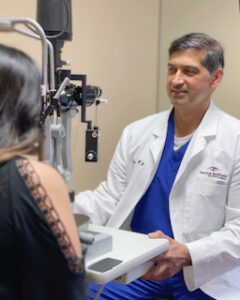
Early detection is key to preventing vision loss from glaucoma. If you have been diagnosed with glaucoma or are at risk for developing the condition, it is important to schedule regular eye exam and follow your treatment plan as prescribed.
With proper care and management, you can preserve your vision and maintain your quality of life.